
By Emma Holland
•
November 18, 2026
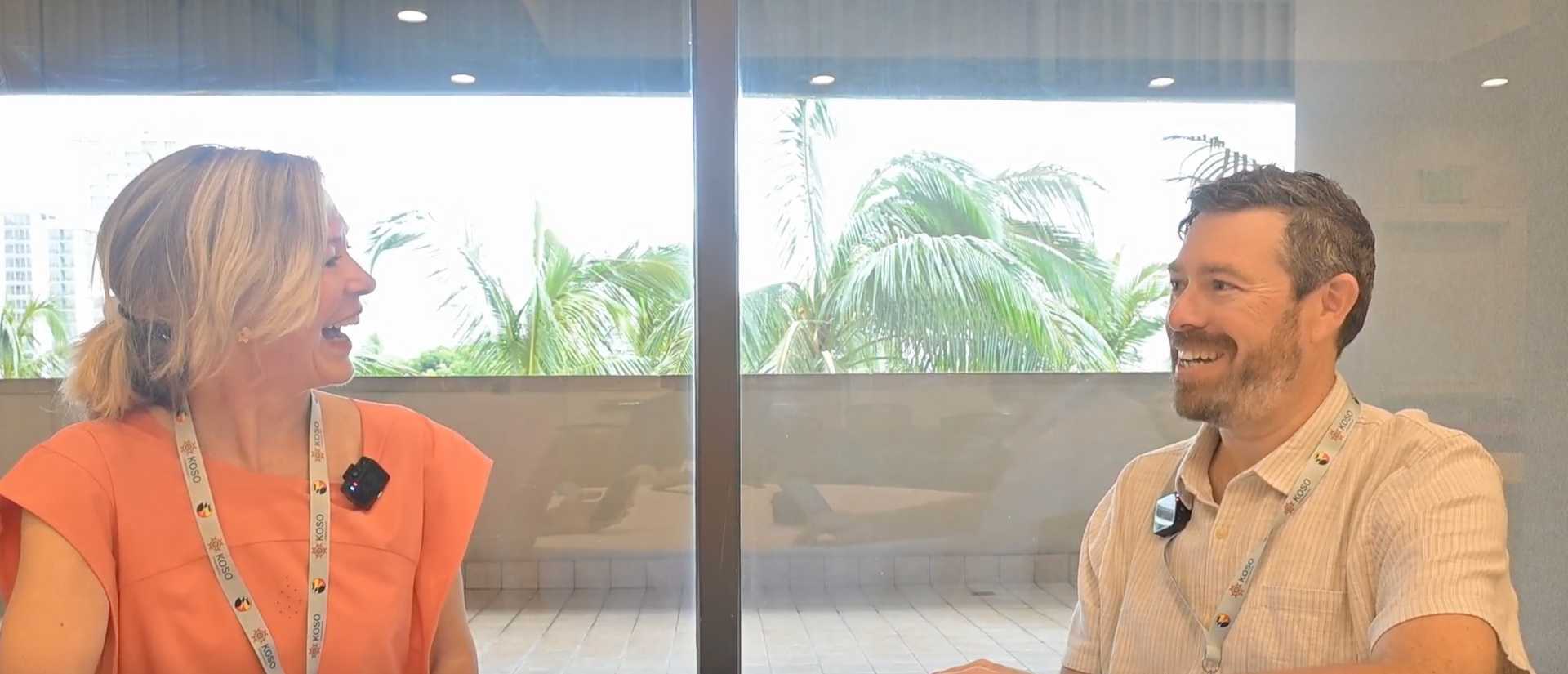
Hannah Bratterud interviews our very own Luke Freeman about his keynote topic Soft Power within an organization at the NNHARA 30th Annual Conference in Honolulu, Hawaii.
By Emma Holland
•
November 18, 2026
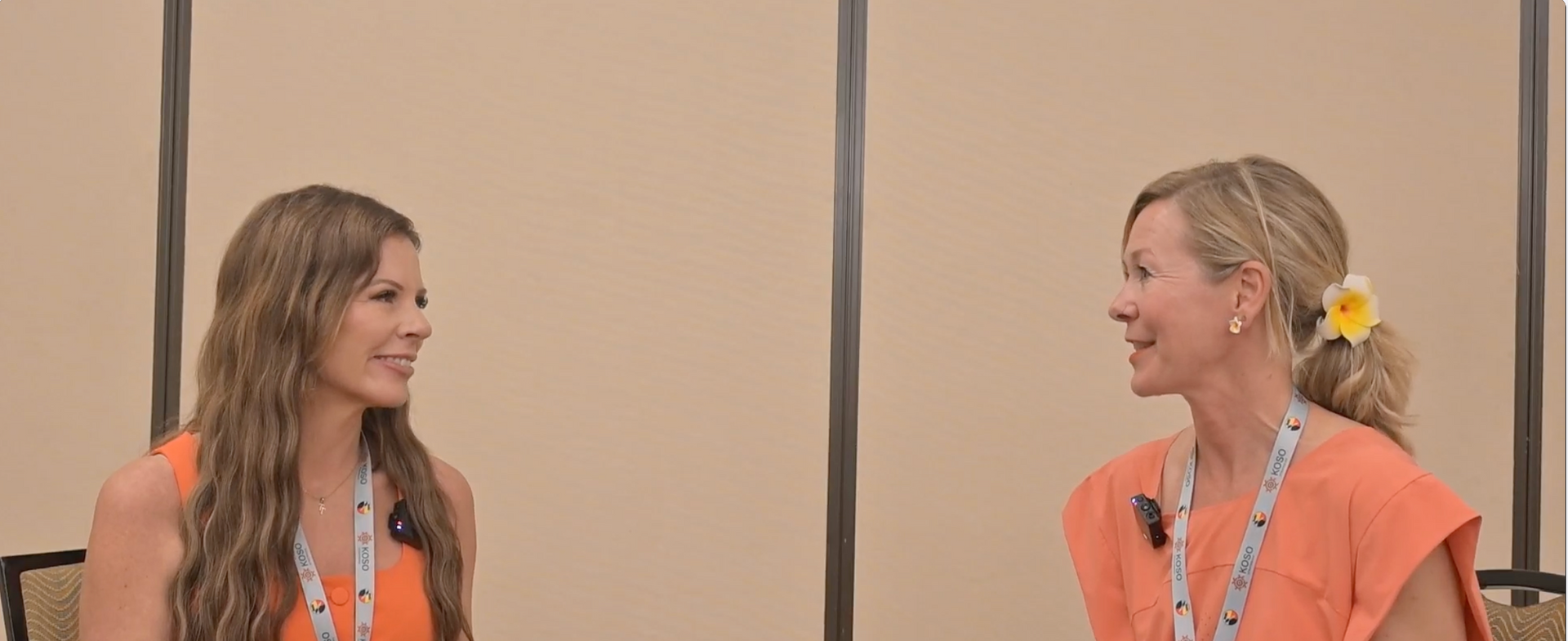
Hannah Bratterud interview with Tammy Harris about values in an organization at the NNHARA 30th Annual Conference in Honolulu, Hawaii.
By Emma Holland
•
November 18, 2026
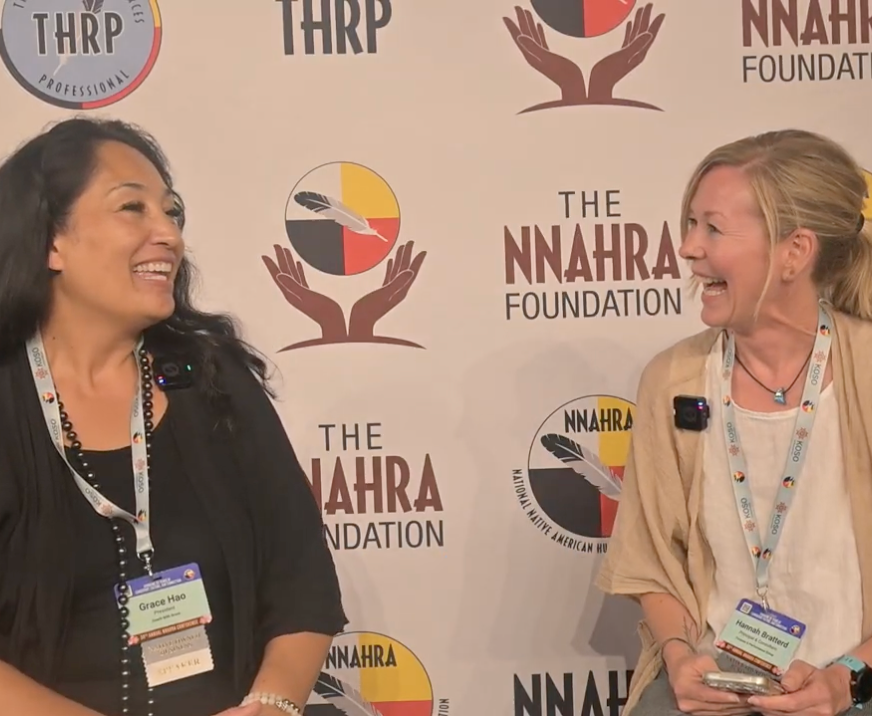
Hannah Bratterud interviews Grace Hao from Coach School at the NNHARA 30th Annual Conference in Honolulu, Hawaii.
By Emma Holland
•
November 18, 2026
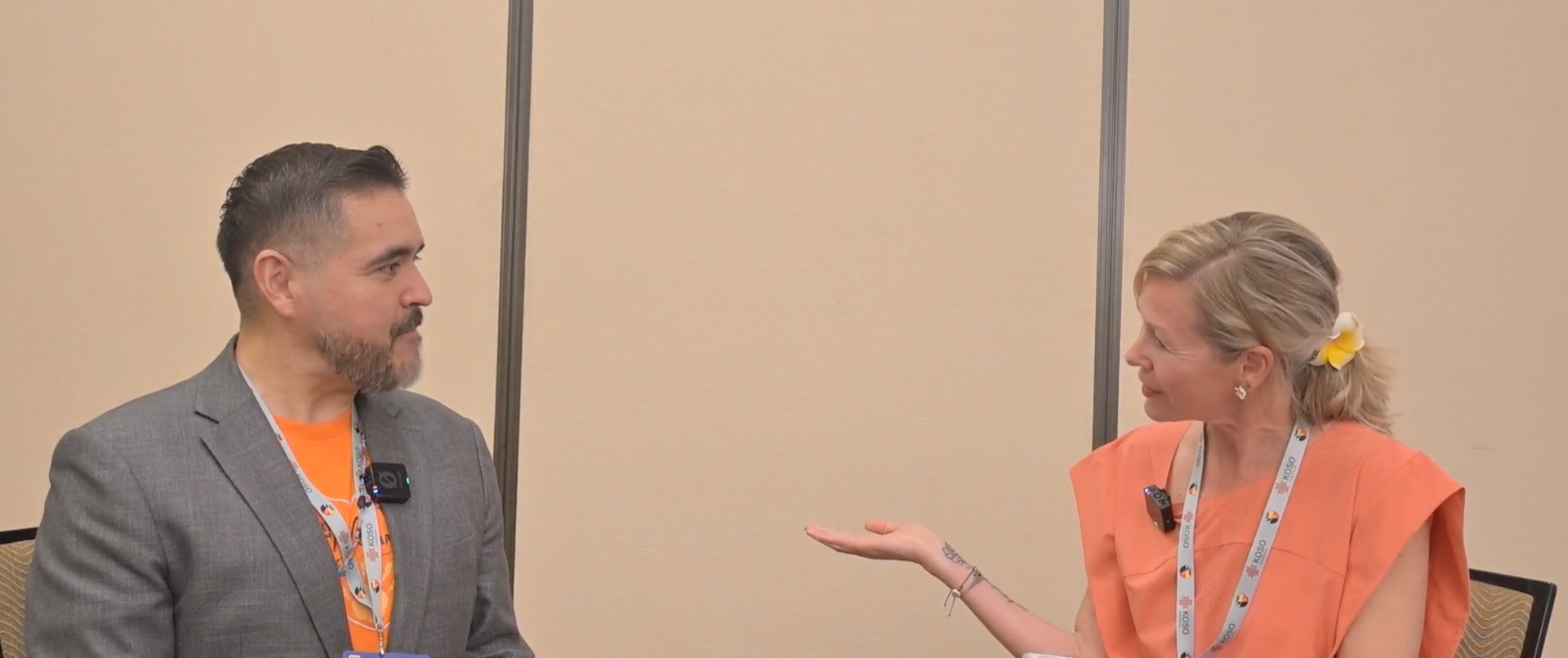
Hannah Bratterud interview Christopher Orozco about HR and Leadership Development at the NNHARA 30th Annual Conference in Honolulu, Hawaii.

By Sarah Whitfield
•
May 5, 2026
In this episode of Magic in the Room, Luke and Hannah explore the concept of polarities. Tensions like purpose and performance, stability and change, or accountability and grace that are often mistaken for problems to solve rather than dynamics to manage. Drawing on insights from Barry Johnson’s work, they explain how these opposing forces are interdependent and must be balanced over time to achieve sustained success. Through practical examples and personal reflections, they show how over-relying on one side of a polarity leads to predictable “shadow sides” such as stagnation, chaos, inefficiency, or burnout, while effective leadership requires recognizing where you are on the cycle and intentionally recalibrating. The episode emphasizes that many recurring organizational frustrations are not failures, but signals of imbalance, and offers a more nuanced approach to leadership. One that replaces rigid either/or thinking with flexible both/and awareness to improve decision-making, team dynamics, and long-term performance.

By Sarah Whitfield
•
April 7, 2026
In this episode of Magic in the Room, Luke Freeman, Hannah Bratterud, and Chris Province dive into the concept of “mattering,” inspired by Zach Mercurio’s work, and explore why it is a foundational driver of engagement, performance, and culture in organizations. They challenge leaders to move beyond assuming people matter to actively ensuring individuals feel that they matter by being valued and by contributing value to a shared purpose. The conversation highlights how mattering differs from belonging, why it cannot be replaced by perks or efficiency, and how leadership behaviors like attention, recognition, and presence directly shape whether people feel seen, heard, and understood. Through examples ranging from workplace dynamics to broader societal trends like social disconnection, they argue that disengagement, conflict, and even poor performance are symptoms of a mattering deficit. Ultimately, they position mattering not as a soft concept, but as a measurable, actionable leadership responsibility that underpins trust, resilience, and long-term success.

By Sarah Whitfield
•
March 3, 2026
In this episode of Magic in the Room, Luke, Hannah, and Chris explore how the concept of mattering transforms customer experience through their practical GUEST framework. Building on the idea that people thrive when they feel noticed, affirmed, and valued, they argue that exceptional service is not just about efficiency or technical competence, but about intentionally designing experiences where guests truly feel significant. They unpack the five elements of the GUEST model: Greet with empathy, Uncover needs, Express gratitude, Share names, and Teach benefits. They show how each step reinforces belonging and loyalty, whether in a 30-second interaction or a 30-year relationship. The conversation highlights the difference between service and hospitality, the power of recovery when mistakes occur, and the leadership responsibility to embed mattering into culture rather than leaving it to chance.

By Sarah Whitfield
•
February 18, 2026
In this episode of Magic in the Room, Luke, Hannah, and Chris explore the lessons, transitions, and leadership insights they’re carrying forward into 2026, emphasizing the importance of narrowing focus, letting go of resistance, and aligning with natural rhythms to create meaningful momentum. They discuss how personal and professional growth often emerges through periods of chaos and transition, highlighting themes such as intentionality, subtraction as a multiplier, and the courage required to release control, certainty, and outdated habits. Drawing on their work with purpose-driven organizations, they explain how leadership transformation begins internally, noting that organizational change is inseparable from personal development and mindset shifts. They also explore how embracing disturbance, addressing root causes instead of symptoms, and cultivating hope rather than cynicism can unlock resilience, stronger culture, and long-term performance.
By Sarah Whitfield
•
January 12, 2026
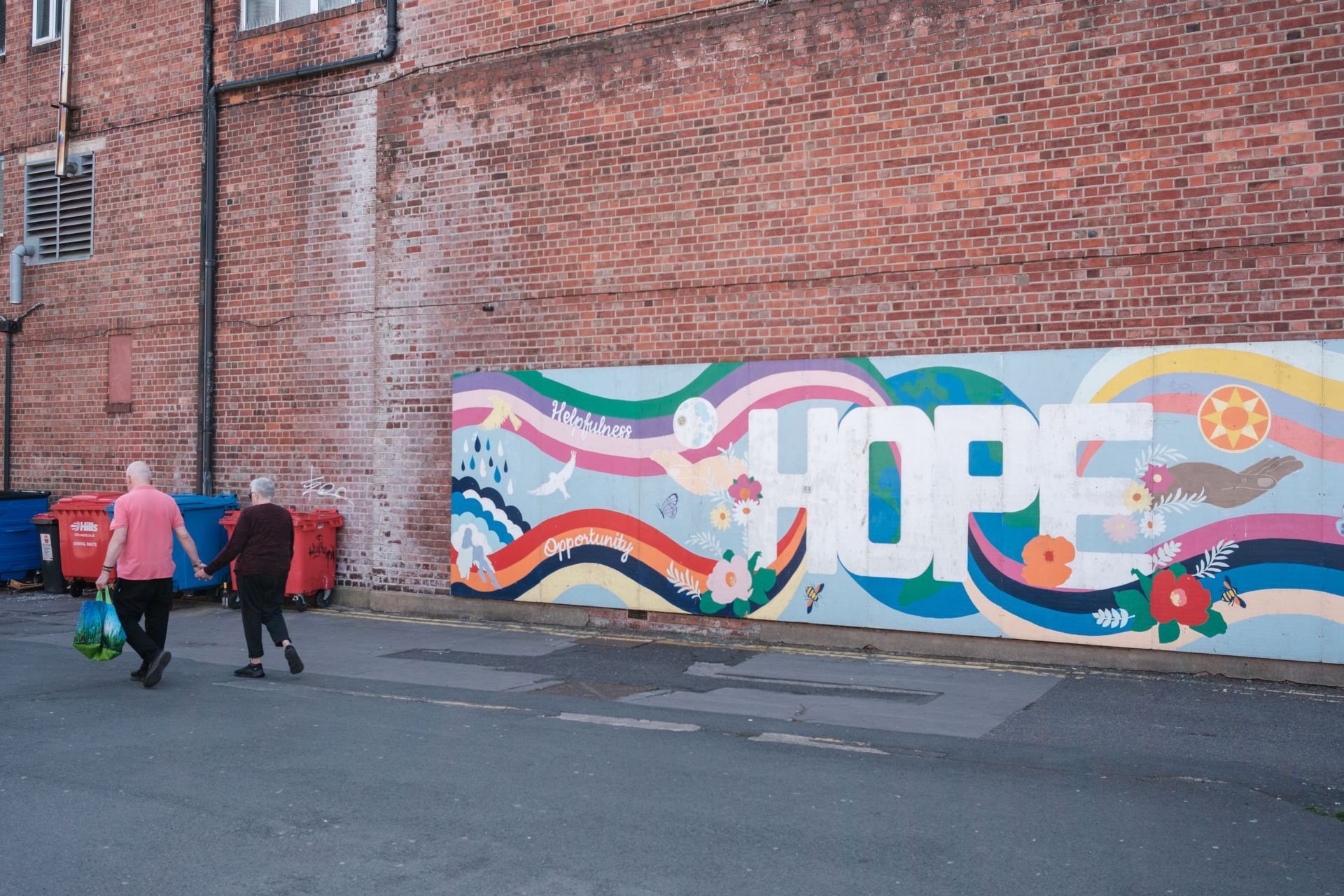
In this episode of Magic in the Room, Luke, Hannah, and Chris delve into the timely topic of hope versus cynicism in leadership, particularly in a world rife with uncertainty and negativity. The discussion focuses on whether hope alone is sufficient for transformational leadership or if, in environments steeped in cynicism, leaders must amplify their energy and intentionality, sometimes matching the intensity of cynics to move organizations forward. They examine the "hope recipe," which involves envisioning a better future, creating a pathway, and having agency. They also discuss the difficulty of maintaining agency when systems, culture, or fatigue threaten to sap it. They differentiate between strategically "letting go" and simply "giving up," emphasizing the importance of support, accountability, and self-awareness as antidotes to cynicism.

By Sarah Whitfield
•
December 3, 2025
In this episode of "Magic in the Room," Luke, Hannah, and Chris unpack the difference between being busy and being truly impactful, exploring why organizations often get stuck in high-activity, low-impact cycles. They identify five common contributors: compliance-heavy environments, resistance to change, disconnected decision-makers, fear-driven “CYA” cultures, and firefighting systems that reward heroics over long-term strategy. From there, they highlight what creates real impact: clarity of purpose, agency, curiosity, intentionality, and the discipline to question assumptions and align action with a meaningful “why.” The conversation encourages leaders to build awareness of their strengths, design systems that support healthy impact, maintain congruence between their public and private influence, and cultivate the kind of presence that can genuinely move a room.
By Emma Holland
•
November 18, 2026
Hannah Bratterud interviews our very own Luke Freeman about his keynote topic Soft Power within an organization at the NNHARA 30th Annual Conference in Honolulu, Hawaii.
By Emma Holland
•
November 18, 2026
Hannah Bratterud interview with Tammy Harris about values in an organization at the NNHARA 30th Annual Conference in Honolulu, Hawaii.
By Emma Holland
•
November 18, 2026
Hannah Bratterud interviews Grace Hao from Coach School at the NNHARA 30th Annual Conference in Honolulu, Hawaii.
By Emma Holland
•
November 18, 2026
Hannah Bratterud interview Christopher Orozco about HR and Leadership Development at the NNHARA 30th Annual Conference in Honolulu, Hawaii.
By Sarah Whitfield
•
May 5, 2026
In this episode of Magic in the Room, Luke and Hannah explore the concept of polarities. Tensions like purpose and performance, stability and change, or accountability and grace that are often mistaken for problems to solve rather than dynamics to manage. Drawing on insights from Barry Johnson’s work, they explain how these opposing forces are interdependent and must be balanced over time to achieve sustained success. Through practical examples and personal reflections, they show how over-relying on one side of a polarity leads to predictable “shadow sides” such as stagnation, chaos, inefficiency, or burnout, while effective leadership requires recognizing where you are on the cycle and intentionally recalibrating. The episode emphasizes that many recurring organizational frustrations are not failures, but signals of imbalance, and offers a more nuanced approach to leadership. One that replaces rigid either/or thinking with flexible both/and awareness to improve decision-making, team dynamics, and long-term performance.
By Sarah Whitfield
•
April 7, 2026
In this episode of Magic in the Room, Luke Freeman, Hannah Bratterud, and Chris Province dive into the concept of “mattering,” inspired by Zach Mercurio’s work, and explore why it is a foundational driver of engagement, performance, and culture in organizations. They challenge leaders to move beyond assuming people matter to actively ensuring individuals feel that they matter by being valued and by contributing value to a shared purpose. The conversation highlights how mattering differs from belonging, why it cannot be replaced by perks or efficiency, and how leadership behaviors like attention, recognition, and presence directly shape whether people feel seen, heard, and understood. Through examples ranging from workplace dynamics to broader societal trends like social disconnection, they argue that disengagement, conflict, and even poor performance are symptoms of a mattering deficit. Ultimately, they position mattering not as a soft concept, but as a measurable, actionable leadership responsibility that underpins trust, resilience, and long-term success.
By Sarah Whitfield
•
March 3, 2026
In this episode of Magic in the Room, Luke, Hannah, and Chris explore how the concept of mattering transforms customer experience through their practical GUEST framework. Building on the idea that people thrive when they feel noticed, affirmed, and valued, they argue that exceptional service is not just about efficiency or technical competence, but about intentionally designing experiences where guests truly feel significant. They unpack the five elements of the GUEST model: Greet with empathy, Uncover needs, Express gratitude, Share names, and Teach benefits. They show how each step reinforces belonging and loyalty, whether in a 30-second interaction or a 30-year relationship. The conversation highlights the difference between service and hospitality, the power of recovery when mistakes occur, and the leadership responsibility to embed mattering into culture rather than leaving it to chance.
By Sarah Whitfield
•
February 18, 2026
In this episode of Magic in the Room, Luke, Hannah, and Chris explore the lessons, transitions, and leadership insights they’re carrying forward into 2026, emphasizing the importance of narrowing focus, letting go of resistance, and aligning with natural rhythms to create meaningful momentum. They discuss how personal and professional growth often emerges through periods of chaos and transition, highlighting themes such as intentionality, subtraction as a multiplier, and the courage required to release control, certainty, and outdated habits. Drawing on their work with purpose-driven organizations, they explain how leadership transformation begins internally, noting that organizational change is inseparable from personal development and mindset shifts. They also explore how embracing disturbance, addressing root causes instead of symptoms, and cultivating hope rather than cynicism can unlock resilience, stronger culture, and long-term performance.
By Sarah Whitfield
•
January 12, 2026
In this episode of Magic in the Room, Luke, Hannah, and Chris delve into the timely topic of hope versus cynicism in leadership, particularly in a world rife with uncertainty and negativity. The discussion focuses on whether hope alone is sufficient for transformational leadership or if, in environments steeped in cynicism, leaders must amplify their energy and intentionality, sometimes matching the intensity of cynics to move organizations forward. They examine the "hope recipe," which involves envisioning a better future, creating a pathway, and having agency. They also discuss the difficulty of maintaining agency when systems, culture, or fatigue threaten to sap it. They differentiate between strategically "letting go" and simply "giving up," emphasizing the importance of support, accountability, and self-awareness as antidotes to cynicism.
By Sarah Whitfield
•
December 3, 2025
In this episode of "Magic in the Room," Luke, Hannah, and Chris unpack the difference between being busy and being truly impactful, exploring why organizations often get stuck in high-activity, low-impact cycles. They identify five common contributors: compliance-heavy environments, resistance to change, disconnected decision-makers, fear-driven “CYA” cultures, and firefighting systems that reward heroics over long-term strategy. From there, they highlight what creates real impact: clarity of purpose, agency, curiosity, intentionality, and the discipline to question assumptions and align action with a meaningful “why.” The conversation encourages leaders to build awareness of their strengths, design systems that support healthy impact, maintain congruence between their public and private influence, and cultivate the kind of presence that can genuinely move a room.